 SDD — Blog
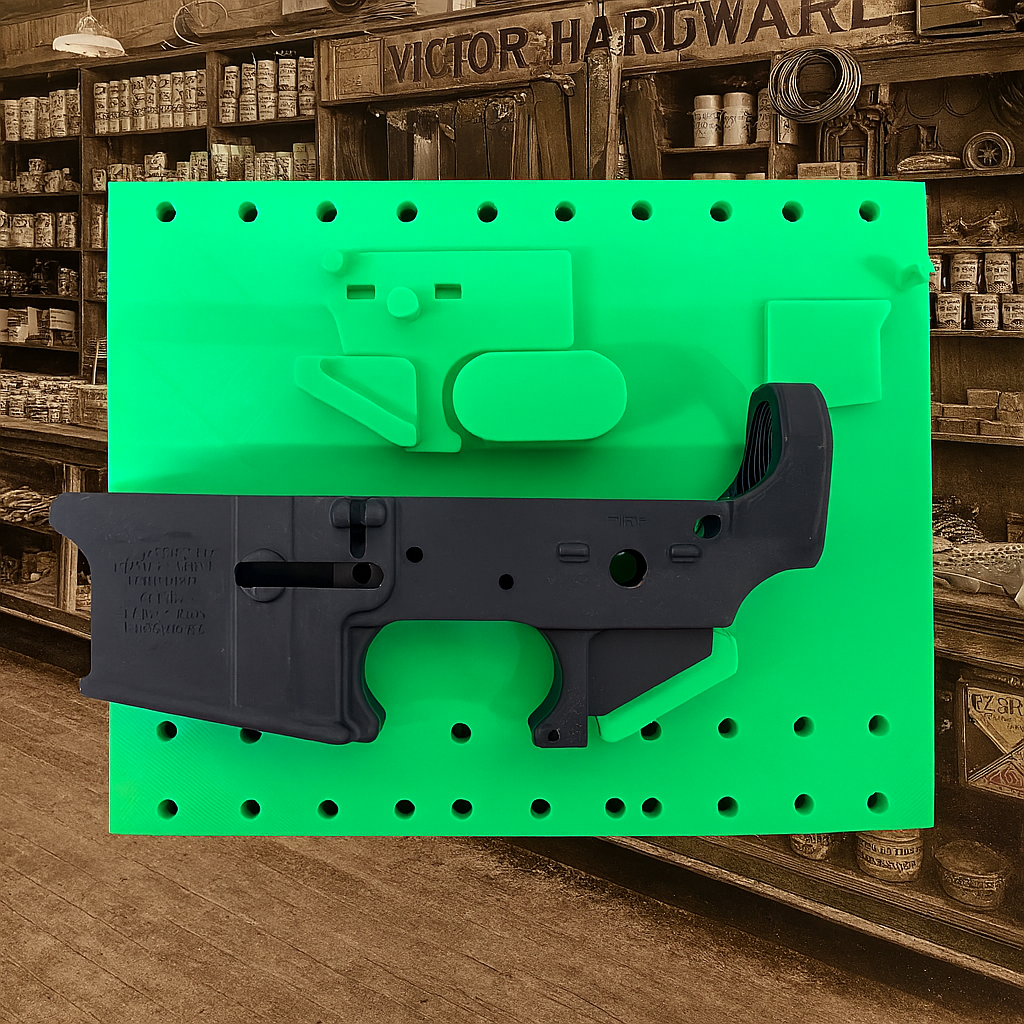
Why 3D-Printed Jigs Make Laser Work Faster and More Precise
Whether you’re batching dog tags, cuffs, or receivers, 3D-printed jigs turn a laser into a production tool. Below are five proven ways they cut waste and time while keeping alignment tight.
1) Zero once, run many
Index holes and corner references let you save a single work offset. When the jig returns to the same spot, your file coordinates remain valid across jobs.
2) Consistent placement
Pockets sized at part +0.2 mm guide each item into the same position. Add a top plate for perfect two-sided alignment.
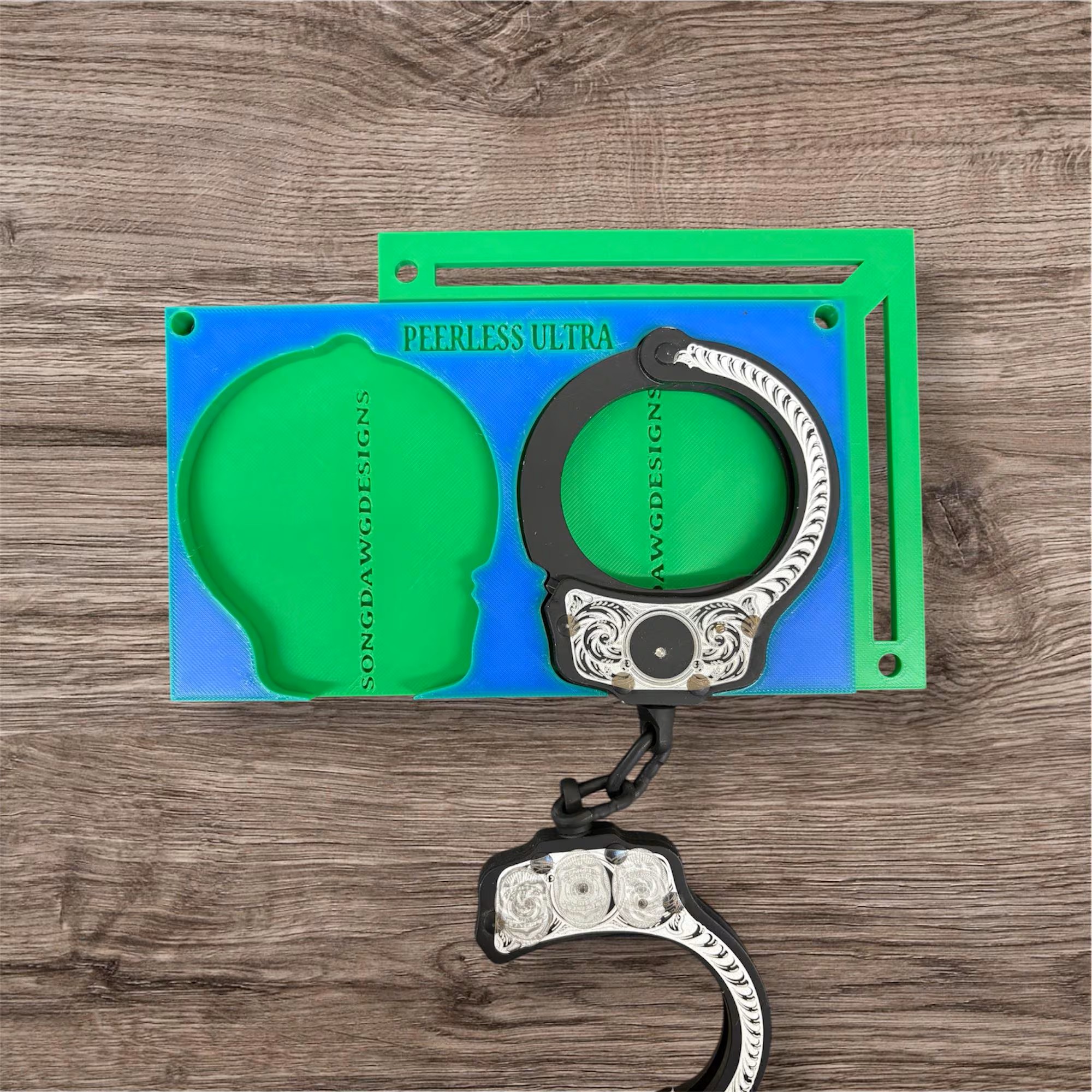
Example: hinged cuff jig with top-plate channel and anchor slots.
3) Faster batching
Multi-pocket variants let you load the next part while the current one engraves. Magnets in the plate speed swaps without tools.
4) Better surface finish
Non-reflective PETG/ABS fixtures reduce back-glare. Add a sacrificial layer under metal parts to avoid ghosting.
5) Repeatable quality control
With a stable fixture, settings (power, speed, hatch) are the main variables. Record each successful recipe in a simple log for plug-and-play reorders.
Starter spec for durable jigs
- Material: PETG or ABS (heat-resistant)
- Layer height: 0.2 mm • Walls: 4 • Infill: 30% gyroid
- Features: 6×3 mm magnet recesses, M5 inserts, anchor holes, chamfers
More from the blog
- AR-15 Laser Engraving Jig: How It Works and Which One to Choose
- Our AR-15 & PMAG Jigs Are Leaving Etsy — For Good
- You Don't Own Your Customers on Etsy — Here's Why That Matters
- Why I Built My Own Store (And Why I'm Not Leaving Etsy)
- How to Align Dog Tags on the xTool F1 Ultra with a 3D-Printed Flip-Plate Jig